Great architecture always looks effortless.
So much work goes into creating a built environment: hundreds of hours of planning, hundreds of days of labour, a mountain of effort, and an ocean of creativity. Yet when you stand within the completed building, none of this is obvious: you see only the completed masterpiece. The BNZ Theatre in Hamilton illustrates this concept perfectly.

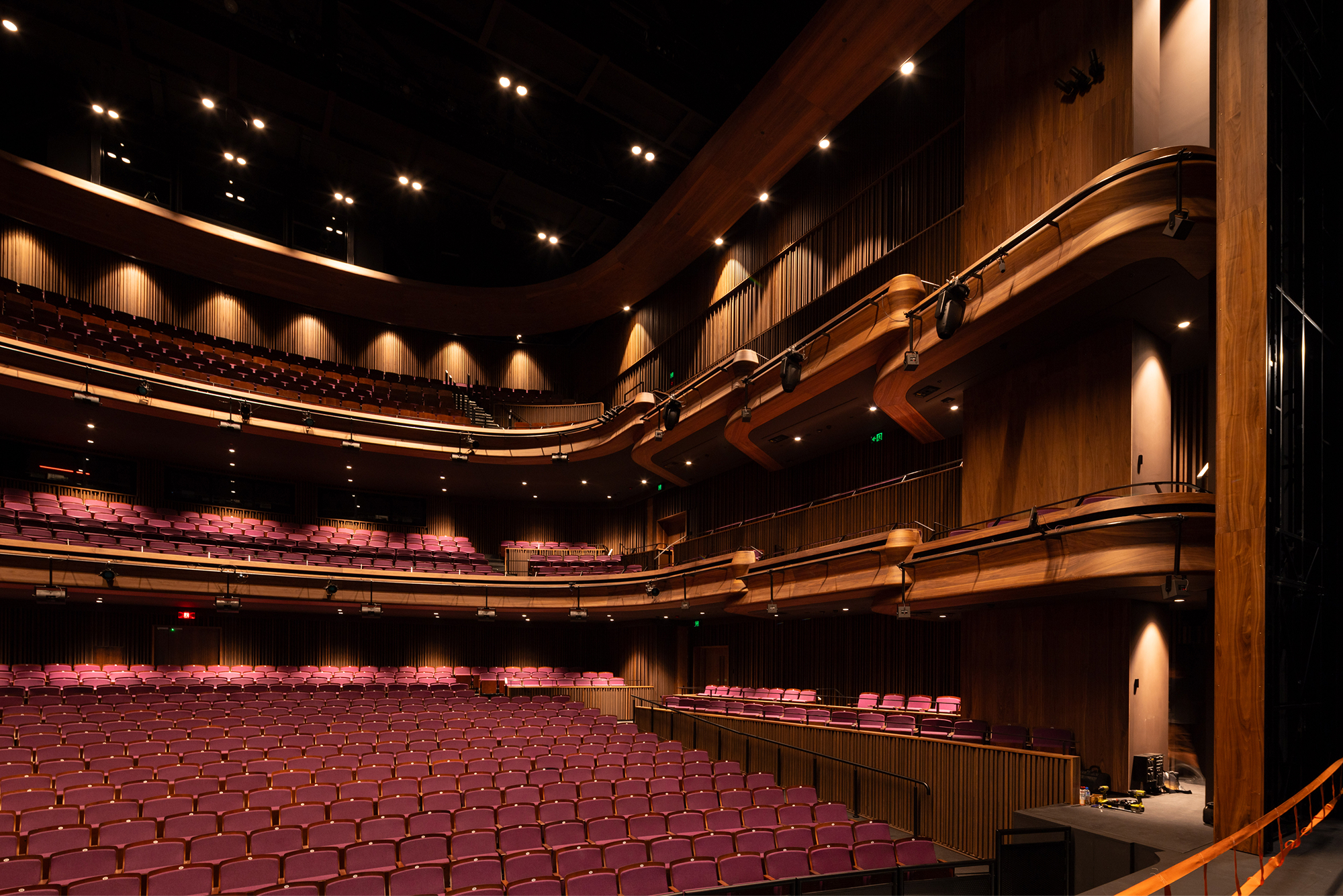
Built to replace the old Founders Theatre that shut down in 2016, this architectural development provides a new home for the culture and talent of the Waikato region. The theatre can seat up to 1,300 people, and it has already hosted world-renowned Aotearoa artist Teeks for an Opening Night Show. Situated above the Waikato River, and nestled into the historic Hamilton hotel, the BNZ Theatre integrates seamlessly into the fabric of the city.
It took a lot of hard work to make this happen.
Jasmax, the architectural team behind this project, utilised Featurecraft’s high-end decorative and acoustic timber systems for this project. We quickly knew that we’d have to pull out all the stops for this extraordinary building. Our team was drip-fed site measurements and other environmental complexities throughout the project, and we continuously refined and improved our designs to fit the new information we’d received. We had to work around limitations like steel beams, stairs and ramps, curtain pockets, emergency lighting, and cables, ensuring that our finished products would still look fantastic, and function exactly as intended.
This would have been challenging enough for any job, but the BNZ Theatre required a lot of complex joinery, forcing our team to think fast on their feet and come up with creative solutions to each new roadblock. For instance, we completed some custom routering and rebating work around the usher seating, fitting our products perfectly around this complex space.
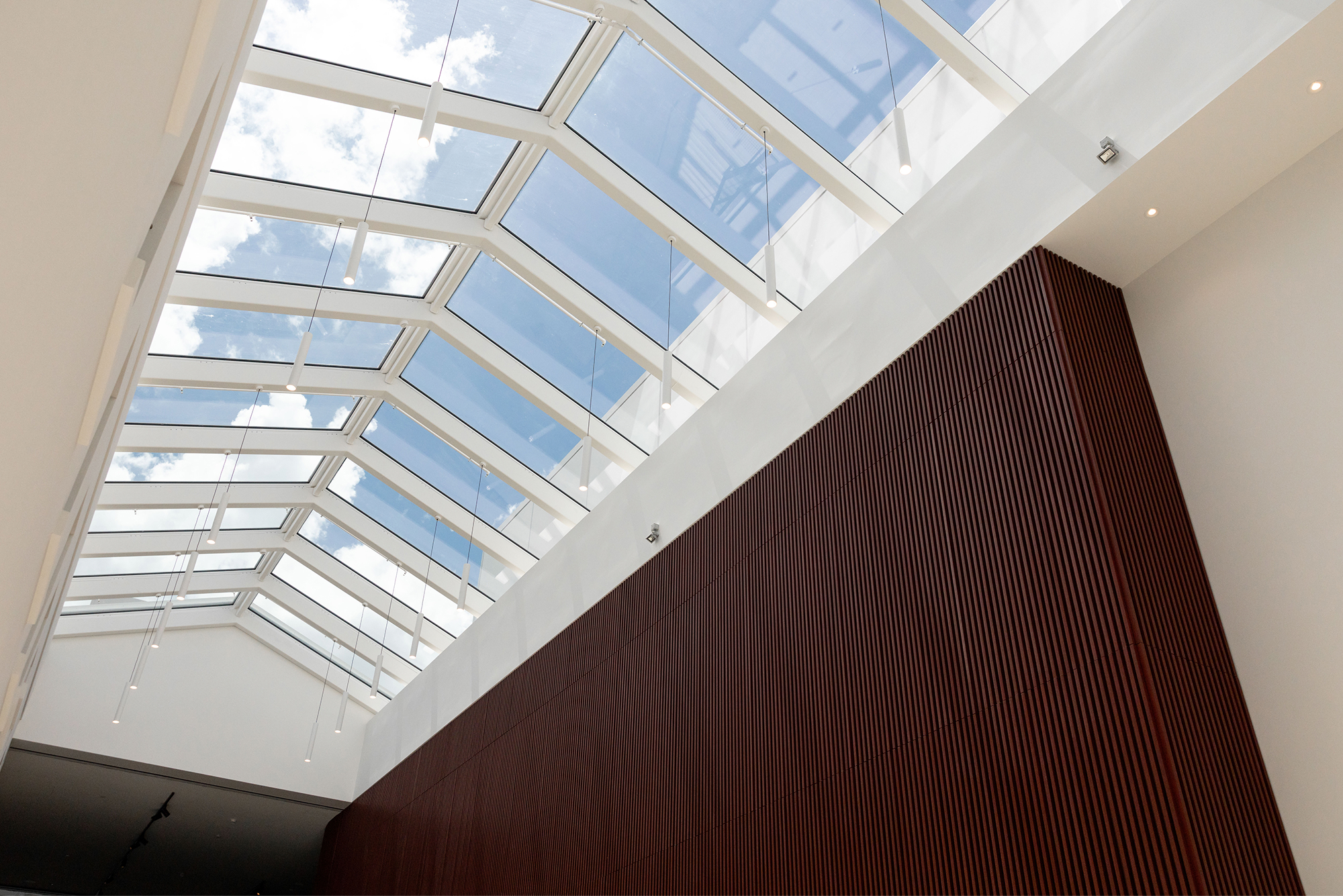
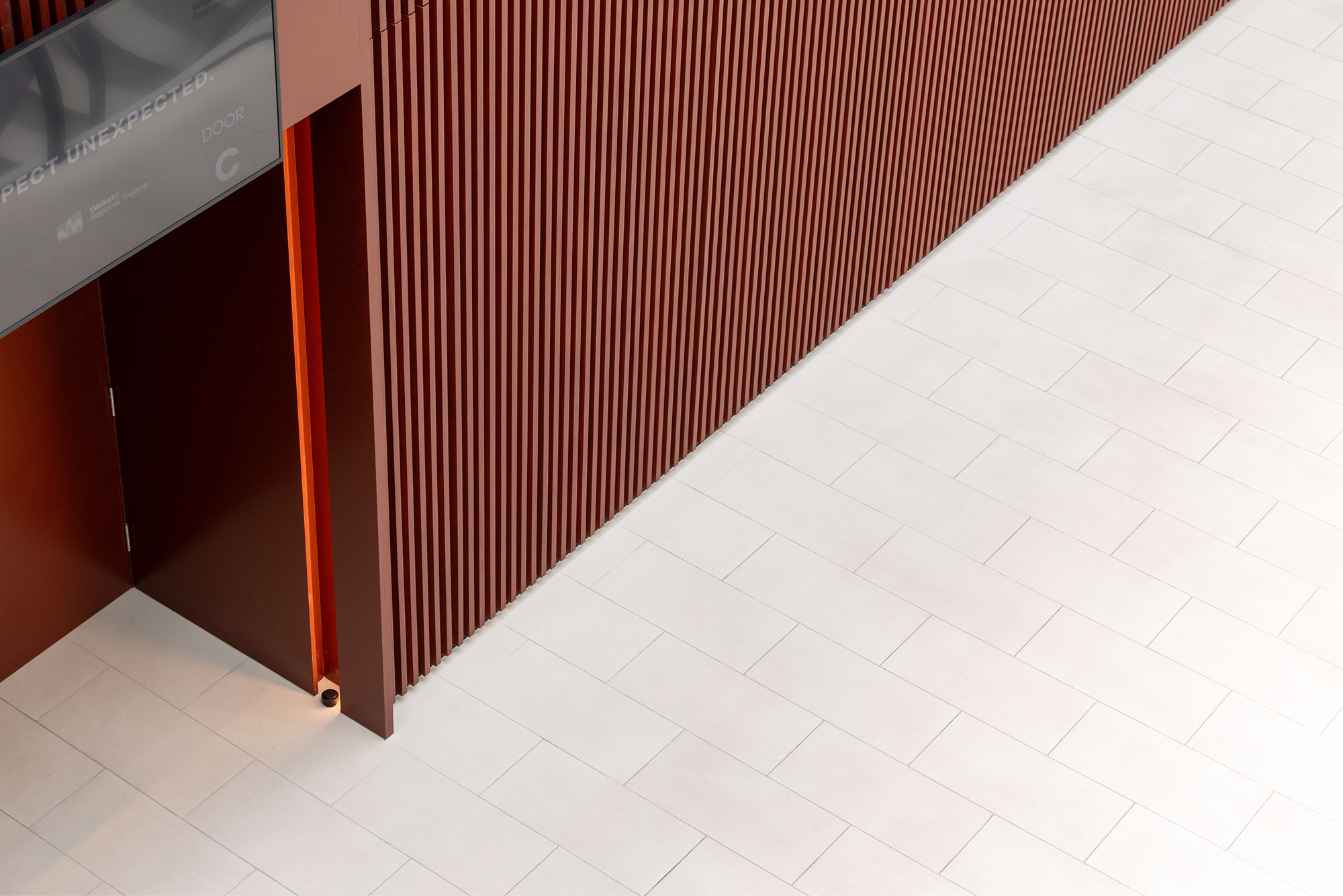
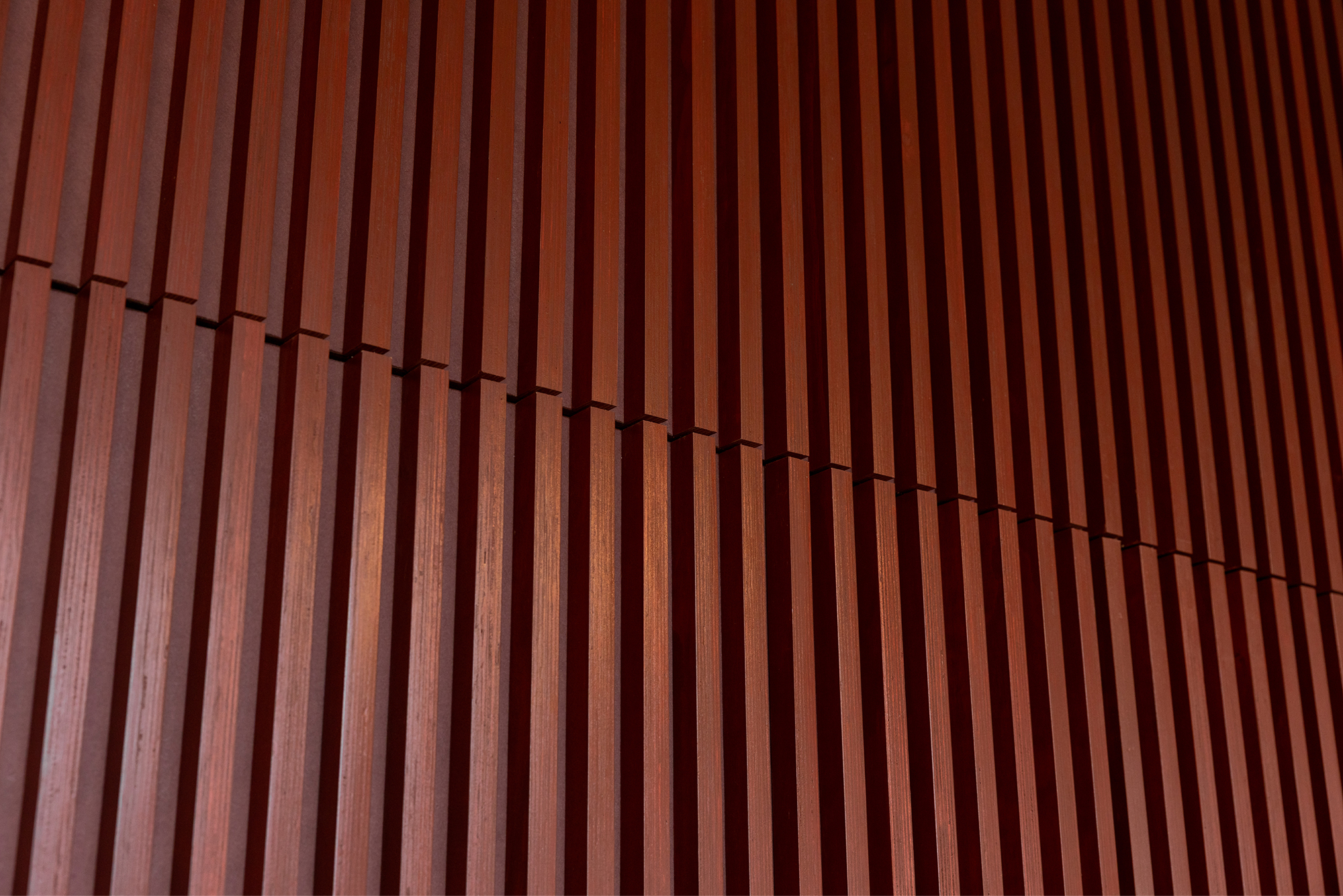
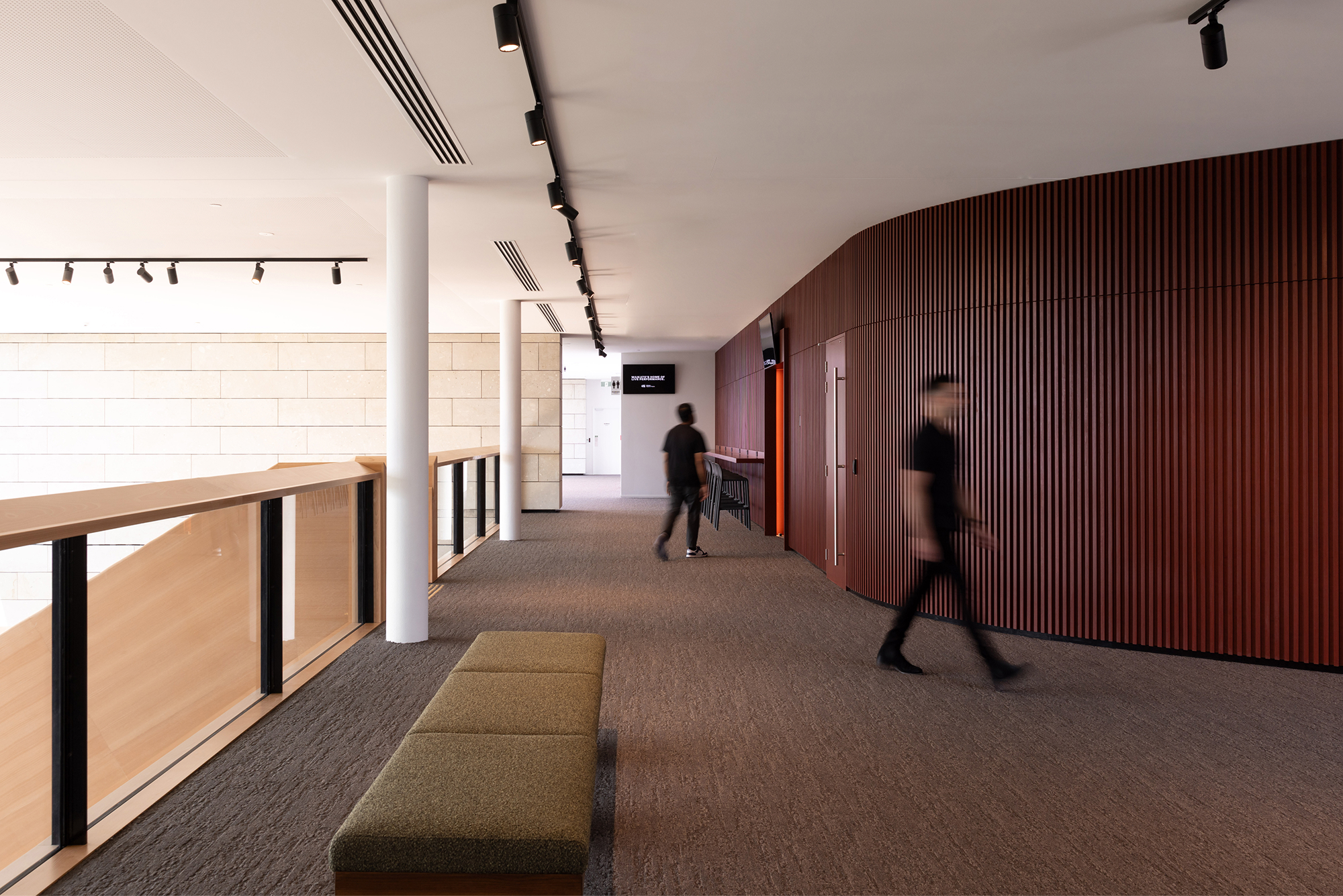
For the corridors of the theatre, we fabricated a custom acoustic batten + panel system with a red felt backdrop. The battens were stained in a red wine colour to match the felt, creating a stunning crimson feature across the pale corridor walls. It took an intensive materials testing process to devise a system with excellent acoustic performance as well as structural integrity, but in the end, our team formulated the right design to meet both these essential requirements.
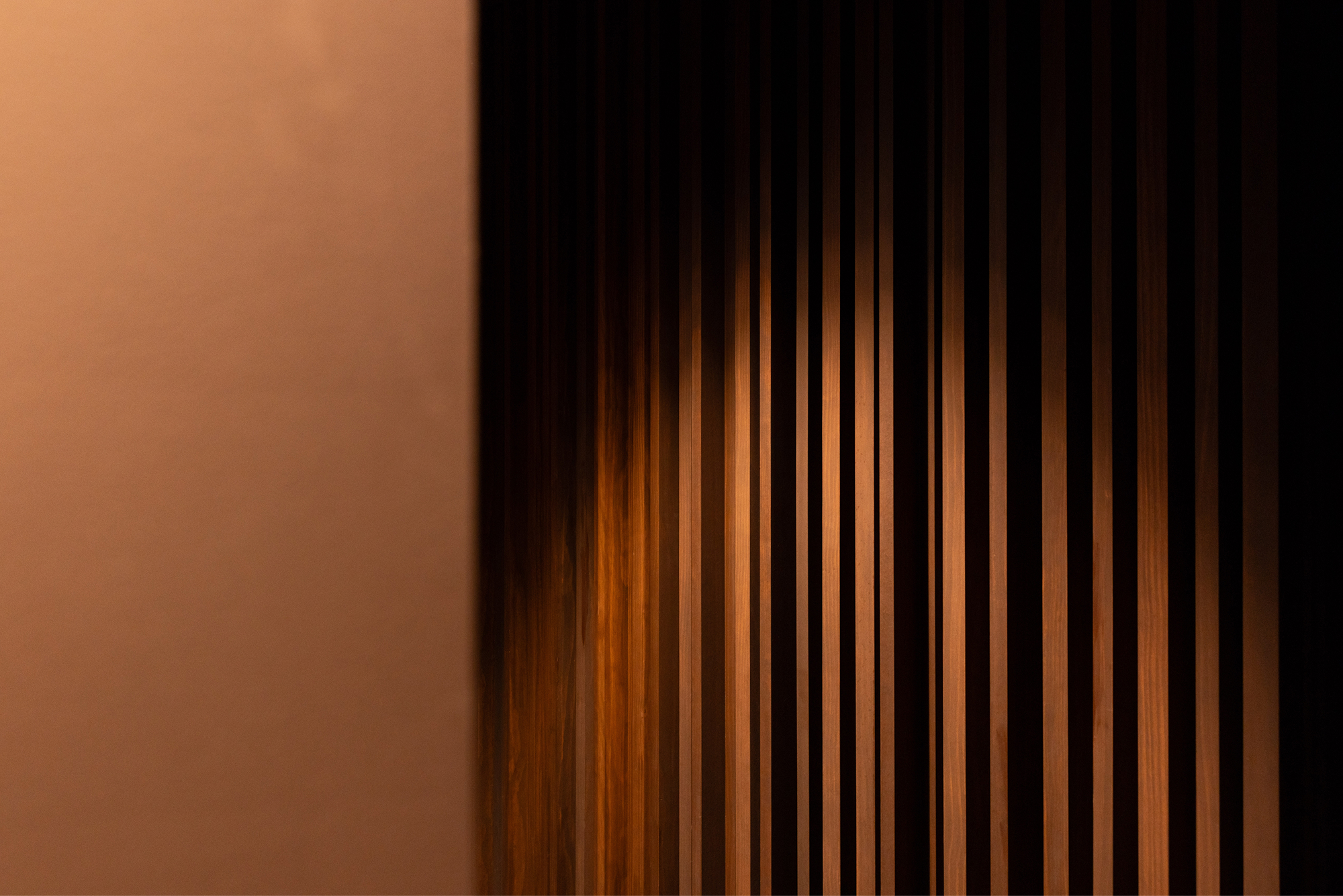
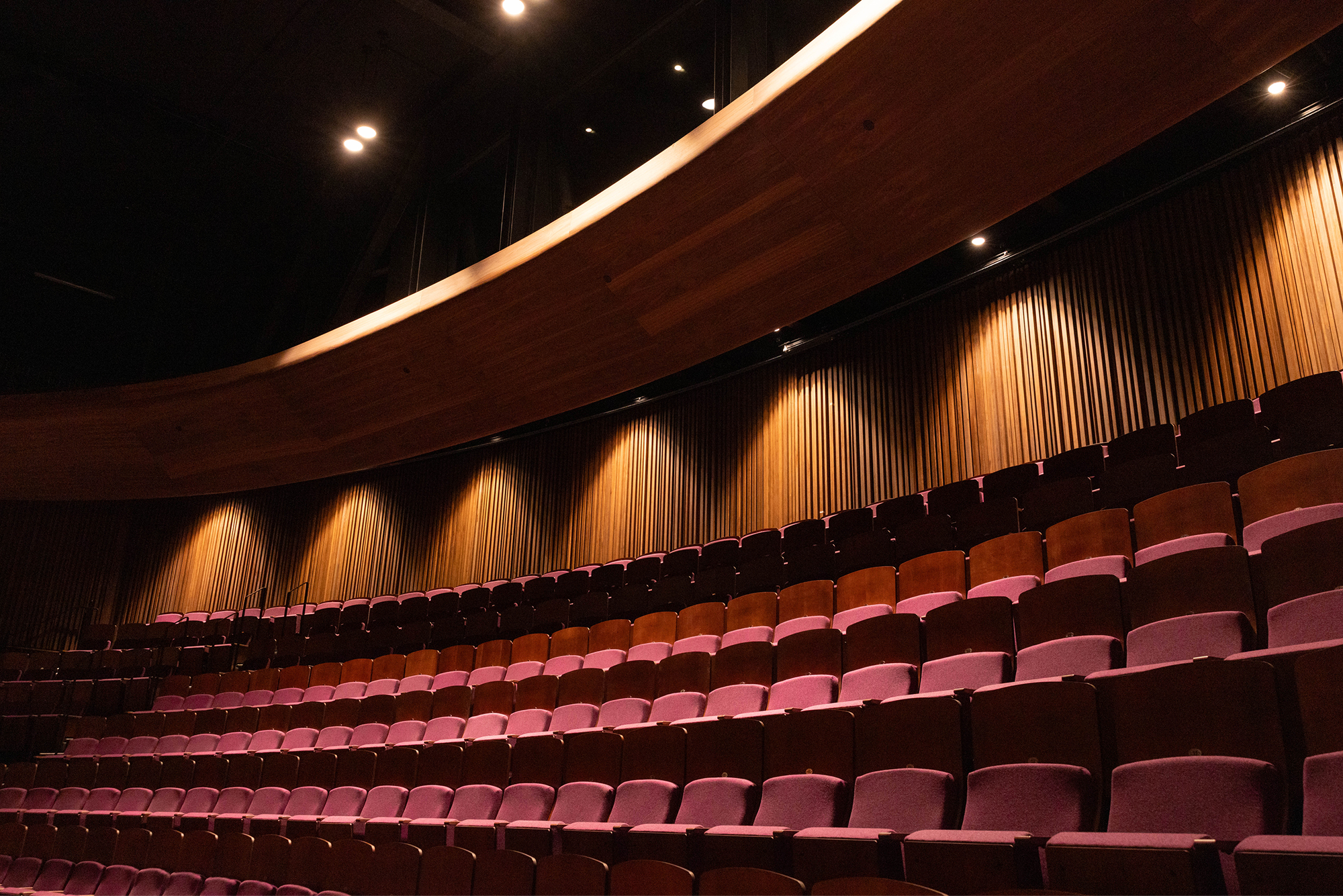
We cloaked the theatre’s interior walls with walnut-stained solid timber battens on walnut-stained plywood panels. These warm timber tones work in tandem with the red and brown curtains around the theatre, creating a classic visual that evokes the cosiness and intrigue of old-timey theatres. The battens were meticulously crafted in assorted sizes to deflect sound during performances, helping the audience to hear the details of dialogue and soundtrack. Nathan Groth, Associate Principal and architect at Jasmax, was heavily involved in this part of the design, calibrating the batten system to achieve the perfect acoustic effect.
Some of the panels needed to be perforated with slots for climate control. This was a requirement Featurecraft had never faced before – and the perfect opportunity to step up our joinery game. We had to maintain a 50% open area over the panel, enabling the theatre’s HVAC system to achieve the required airflow rating. We also had to manufacture the slots with a minimum width of 5mm to futureproof them against accumulation of debris, as well as to prevent fingers from becoming trapped within the holes. Next, we stained each individual slot to ensure that the perforations were subtle and not visually jarring. Finally, we called upon our joinery expertise to optimise the panels for installation on curved walls – not an easy task with a batten + panel system, but one that can be accomplished with the right knowledge.
All in all, the BNZ Theatre project took Featurecraft approximately 9100 hours of factory labour, not to mention all the intensive design and planning work required. Plus, we completed many of our own deliveries to deliver this high-end product safely and to minimise freight time, adding about 12,500kms of travel to the package.
Was it difficult?
Yes.
Was it worth it?
Absolutely.